Anniversary of Campamento Nueva Habana
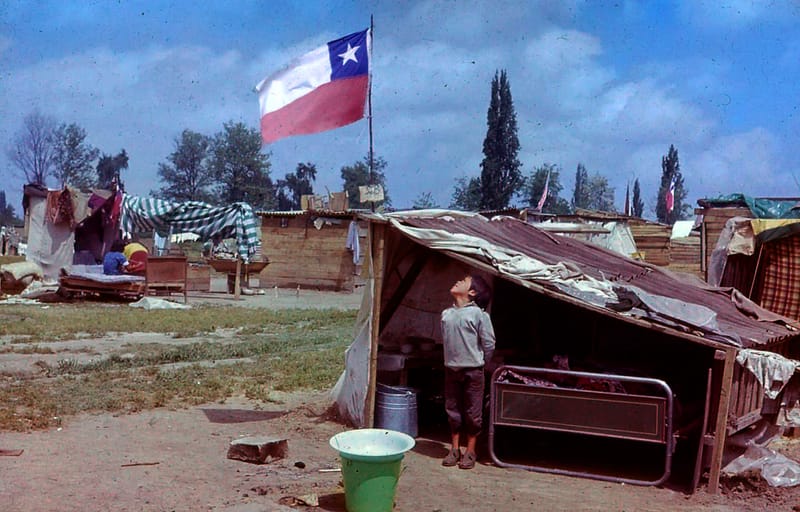
The district of La Florida began as a rural district; its population was sparse, and the first urban centers were inhabited by farmers, tenant workers, and landowners. By the 1950s, parcels of land began to be developed where European families — arriving defeated after the war, mainly from Germany and Italy — came to live. However, La Florida's true identity began to take shape in the late 1960s and early 1970s, when the same farm workers and factory workers who worked on the district's fundos and factories began to reclaim land to settle in the very territory they themselves were building.
Today, November 1st, marks 51 years since the beginning of one of La Florida's most emblematic land occupations — and one of the most emblematic in Chilean history during the Unidad Popular era: Campamento Nueva Habana. From its very beginnings to the present day, this settlement has been defined by a social struggle — not only against fascism, but also to build a cooperative and truly inclusive society. Through communal kitchens, defense committees, vigils, and other popular initiatives such as the Education Front, they built a truly almost self-sufficient settlement in La Florida.
During Pinochet's Civic-Military Dictatorship, its residents and leaders — many of them members of the MIR — were persecuted and killed. For obvious reasons, the settlement's name was changed to Nuevo Amanecer; however, over the years the original name has returned to popular usage.
We share archival images from Campamento Nueva Habana.
The content expressed in this article is the responsibility of its original authors and does not necessarily represent the views associated with the Panul Para Todos project.
The information archived in Archivo Panul was collected using automated tools, so there may be inconsistencies between what is presented here and the original link. You can visit the original link at the top of this article.