Citizen investigation: How the price of Panul was inflated to deceive the State

Residents find key information to achieve the expropriation of Bosque Panul. Intendant Claudio Orrego can declare the Precordillera a Green Area right now.
In the following text, Red por la Defensa de la Precordillera explains the privatization and various transactions carried out by the Navarrete Rolando family to speculate on the price of Santiago's last native urban forest. Today, the Government declares it unexpropiable due to its high cost, completing one of the darkest moves in the real estate business.
Residents find key information to achieve the expropriation of Bosque Panul.
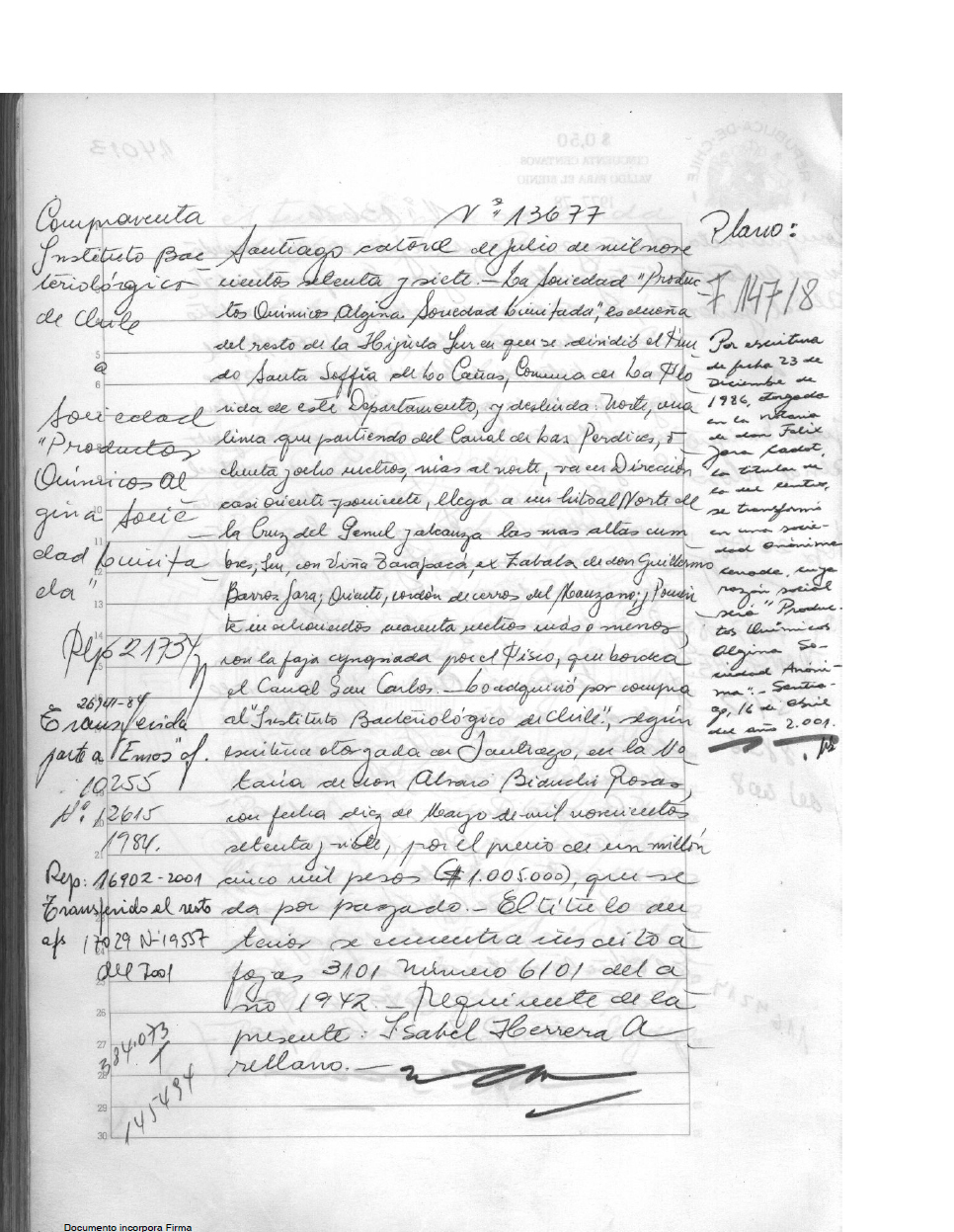
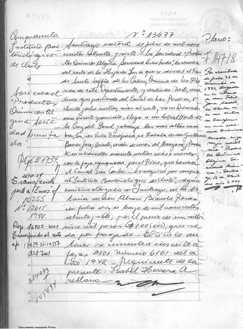
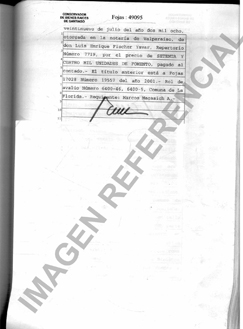
Deed demonstrates that the 543 hectares of the Fundo were transferred from the State to the Navarrete Rolando family for 1 million pesos in 1977.
To conceal this extremely low value, the Navarrete Rolando family staged successive mock sales, inflating the price of the Fundo to 35 billion pesos by 2012.
Based on this, last year the Ministry of National Assets valued the Fundo at 40 billion pesos, which in the words of the Ministry of Housing "inhibits any possibility of expropriation by any public body".
New evidence would radically lower the value of Fundo El Panul, facilitating the creation of a park throughout the entire forest, at a moment when the Bachelet administration is working on a new amendment to the Santiago Metropolitan Zoning Plan for this area.
The forest auctioned off for a Citroën 2CV
For years, rumors circulated that Fundo El Panul — owned by the Bacteriological Institute of the Universidad de Chile — had been transferred from the state institution to the Navarrete Rolando family in exchange for a Citroën 2CV of the time. This serious accusation turned out to be completely true, following the discovery of the original deed, dating from 1977.
In the early years of the dictatorship, Vicente Navarrete Marinot, patriarch of the Navarrete Rolando clan and close personal friend of General Pinochet, received the entire Fundo El Panul for 1 million pesos in a single-bidder auction — an amount that, adjusted to today's value, would be equivalent to paying 17 million pesos for 543 hectares.
Deed of Fundo Panul 1977
This "good deal" for the Navarrete family was a privileged opportunity, very different from what their neighbors in the Lo Cañas or Santa Sofía de Lo Cañas district experienced — for 1 million pesos they could only buy plots of 2,000 m².
The speculative merry-go-round
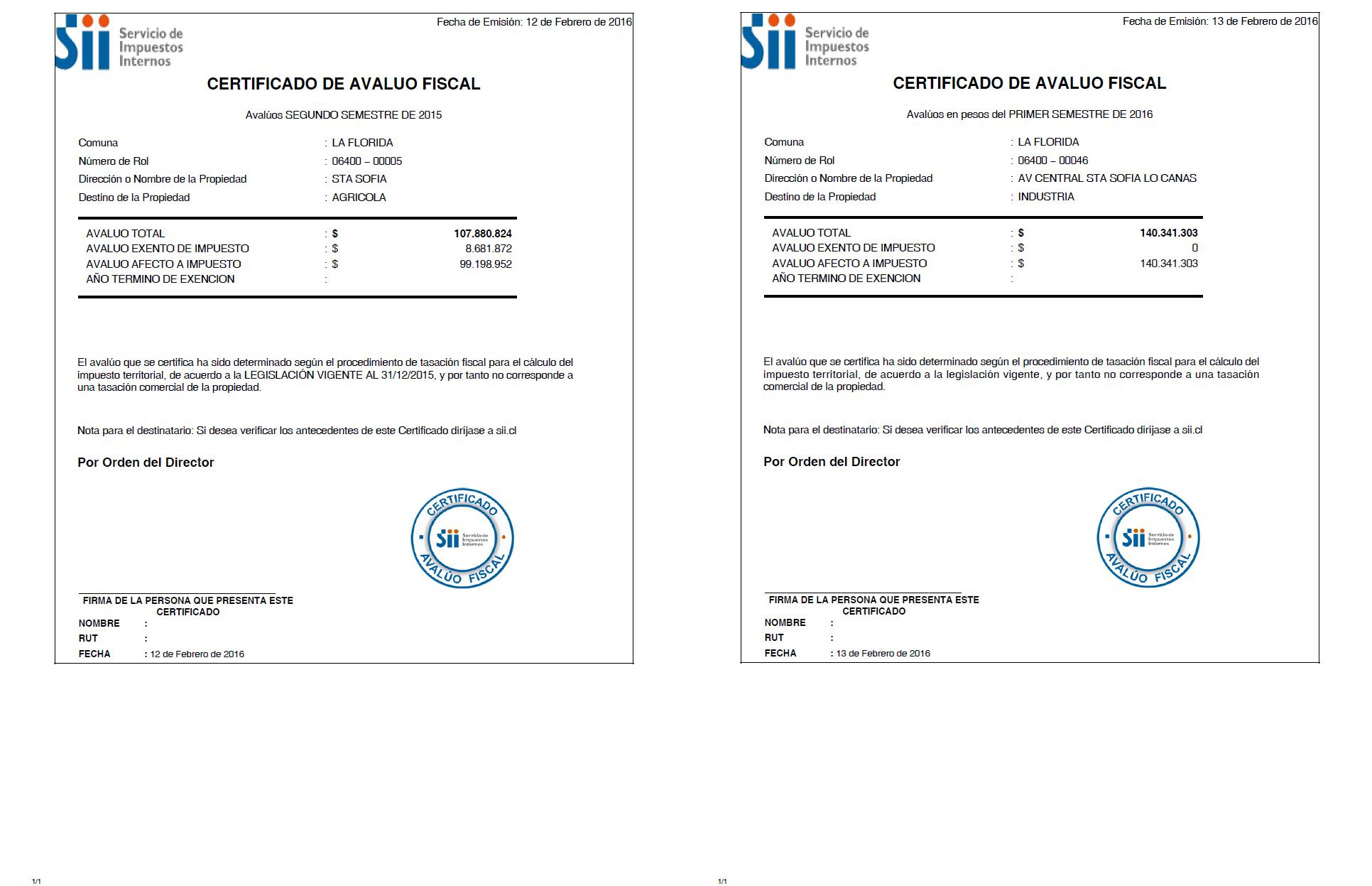
But Fundo El Panul today does not cost 17 million pesos. Certainly the inclusion of a small part of the property into the urban area — thanks to the Municipal Zoning Plan of 2001, created by former mayors Gonzalo Duarte (DC) and Pablo Zalaquett (UDI) — allowed the submission of real estate projects in the forest, raising its value, but never by that much. Today, the fiscal assessed value of the fundos totals 248 million pesos. However, it must be considered that the forest's value would drop considerably if a green area or park were established within it.

So how can it be explained that the State (Ministry of National Assets and Metropolitan Intendancy) estimated the value of the Fundo at 40 billion pesos?
The answer to our question is nothing short of astonishing: the Navarrete Rolando family sold Fundo El Panul to itself on three occasions, through companies they controlled, creating false sale contracts to drastically speculate on the value of Fundo El Panul.
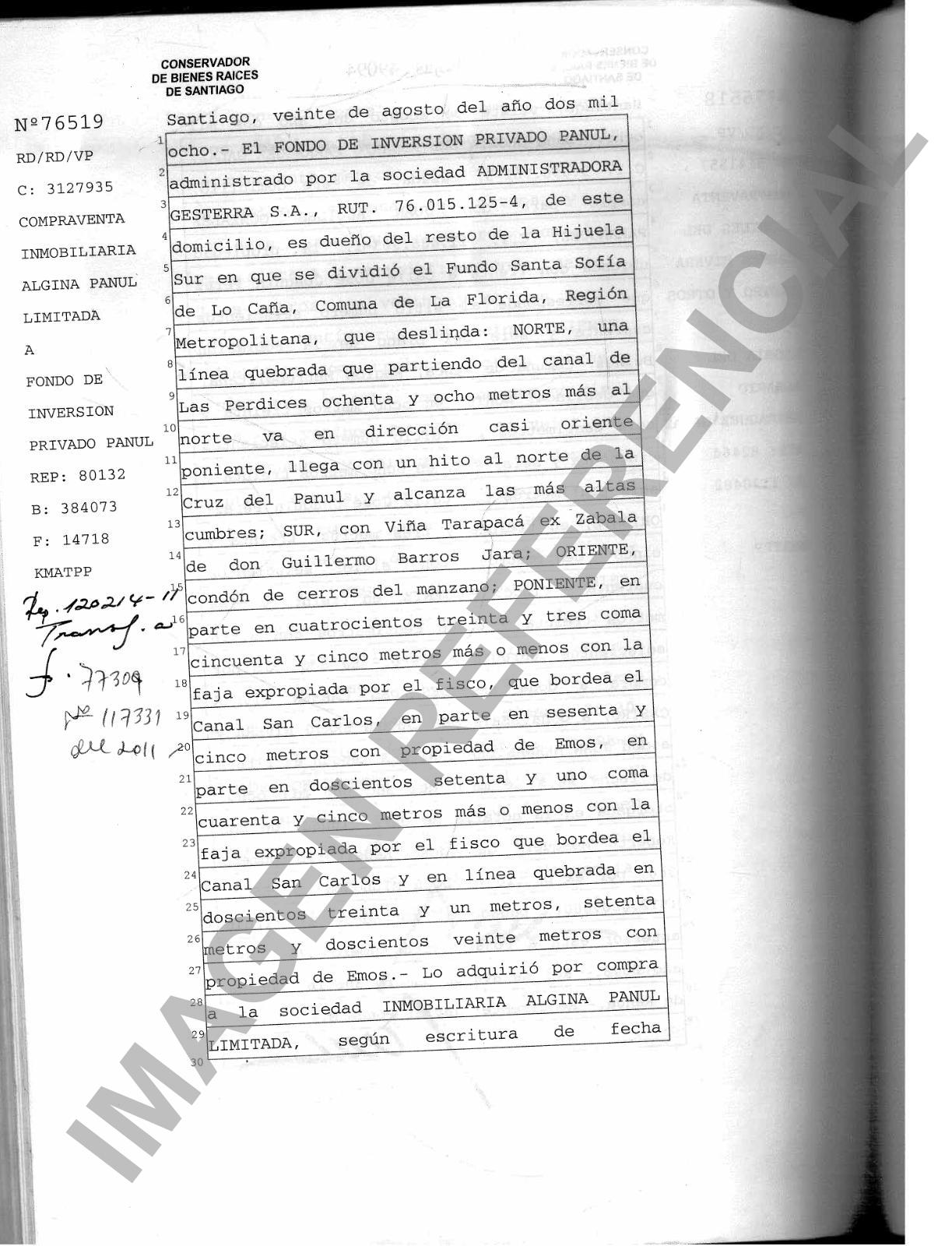
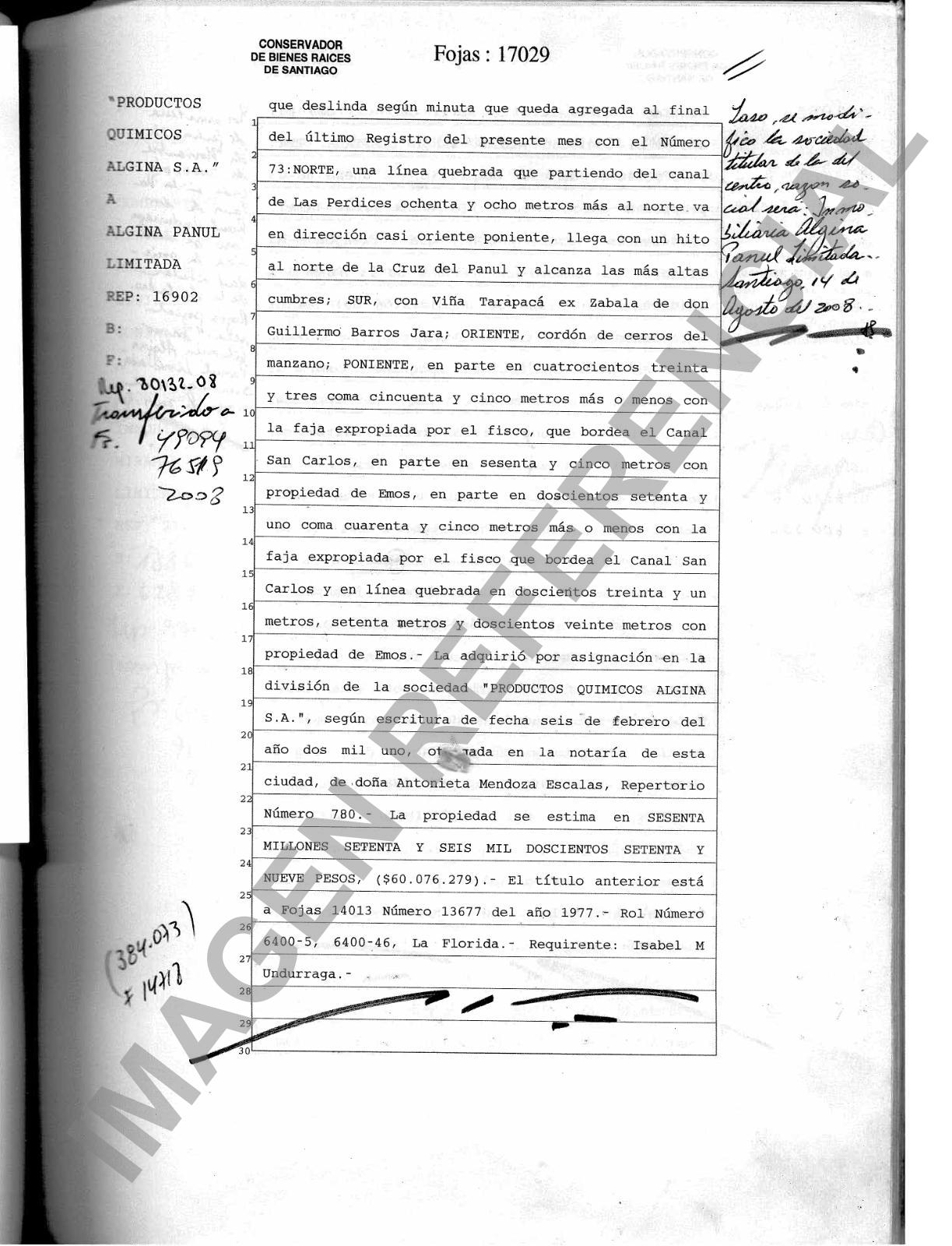
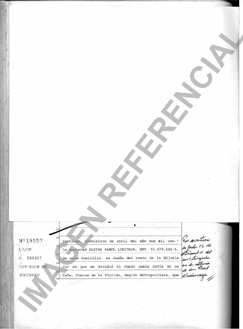
First, the Navarrete Rolando family, through their company "Productos Químicos Algina Sociedad Limitada," received the Fundo from the State for one million pesos in 1977. Twenty-four years later, in a deed executed in 2001, this company sold the Fundo El Panul to the firm "Algina Panul Limitada" (now "Inmobiliaria Algina Panul Limitada") for 60 million pesos. The purchasing real estate company is also controlled by the Navarrete Rolando family. [http://diariooficial.urbans.cl/2014/11/diario-oficial-13-12-2001-pagina-31/]
Deed of Fundo Panul 2001
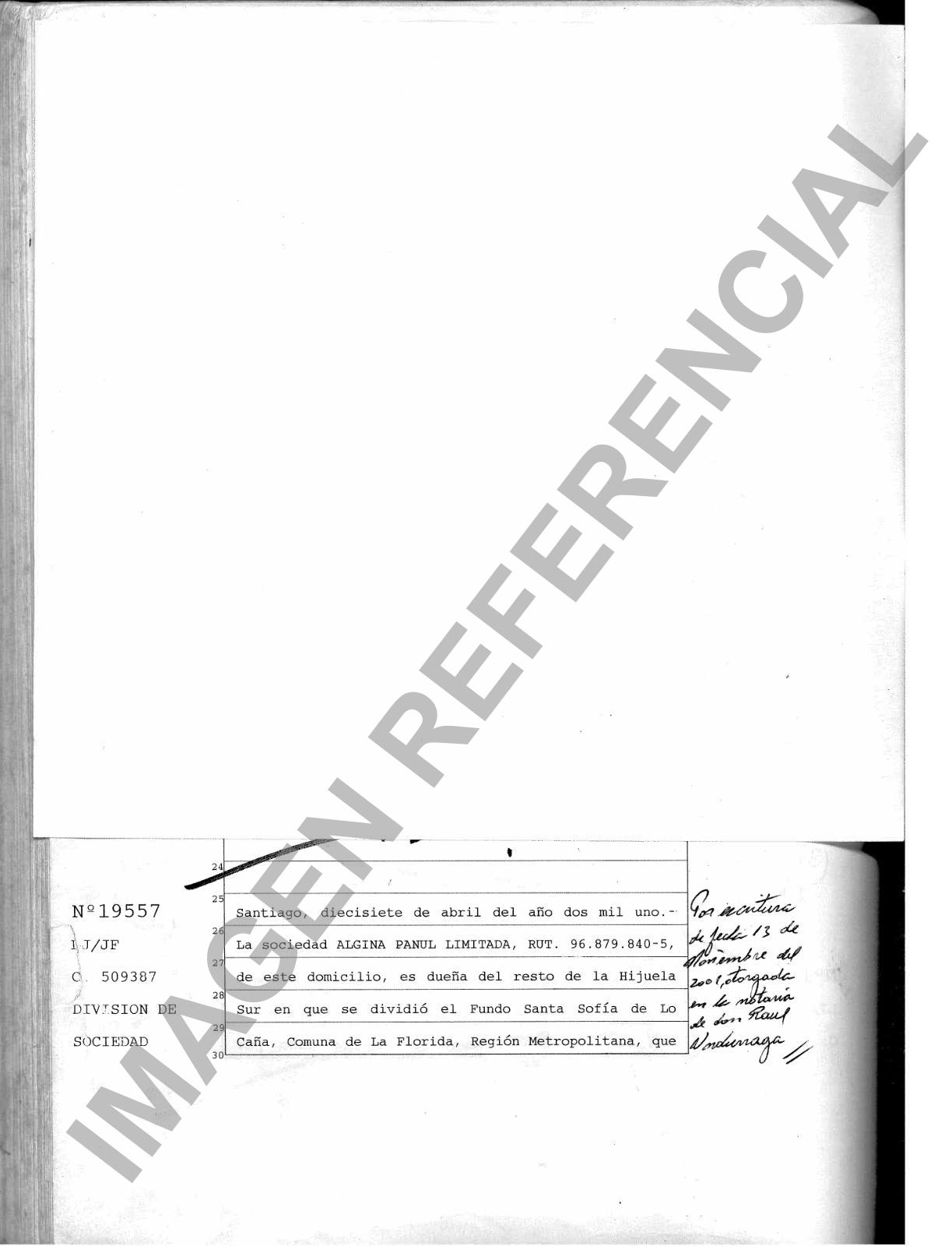
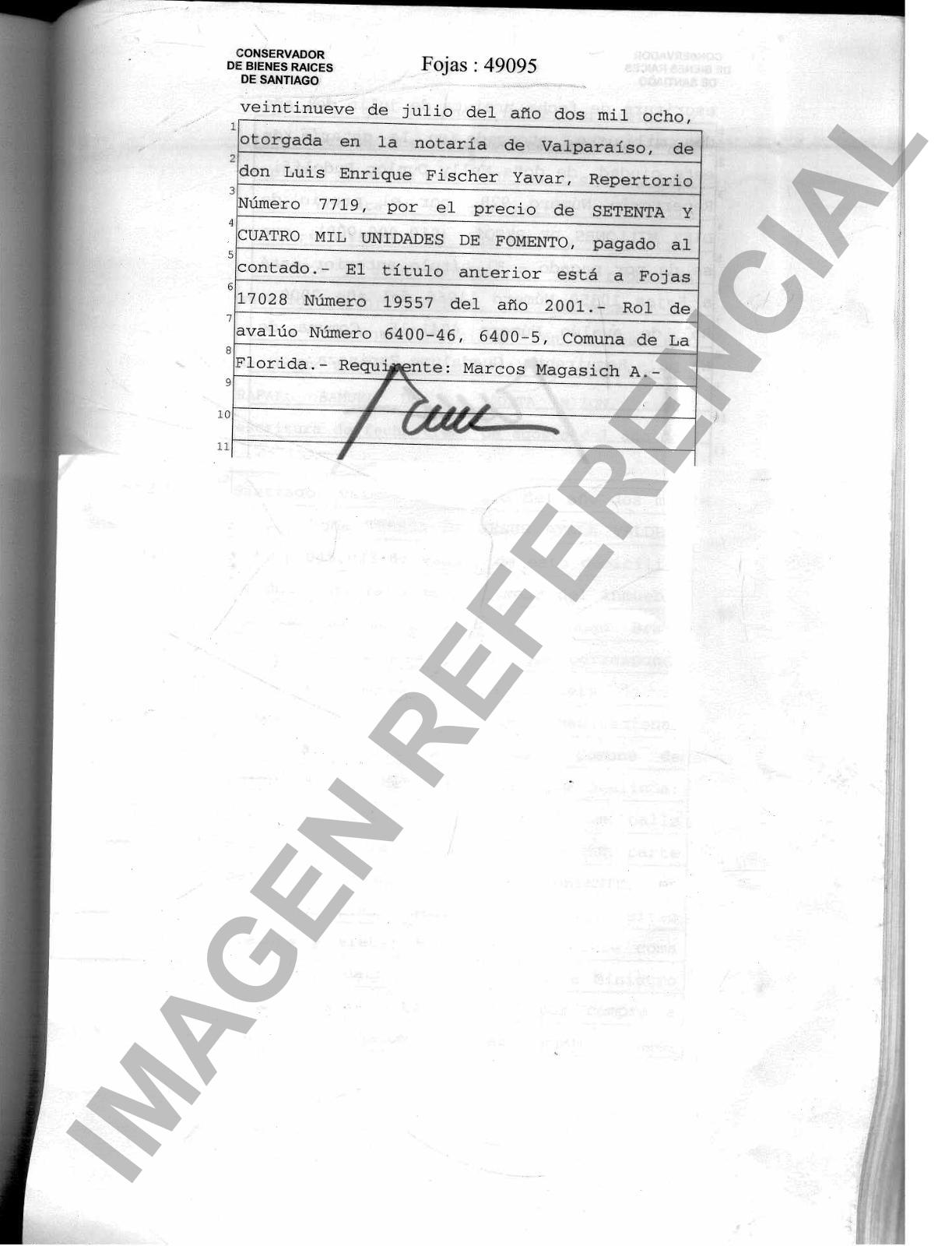
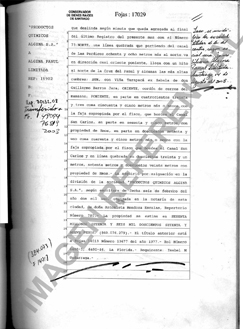
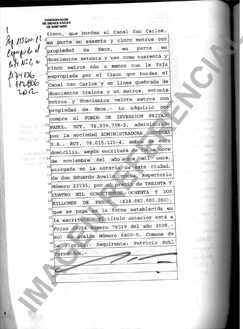
Another simulated sale took place on August 20, 2008, just days before a real estate project was submitted to the Environmental Assessment Service. On that occasion, the price of Fundo El Panul rose rapidly: "Inmobiliaria Algina Panul Limitada" sold the Fundo for 1.85 billion pesos (74,000 UF) to the "Fondo de Inversión Privado Panul," which in turn is managed by "Administradora Gesterra S.A.," also owned by the Navarrete Rolando family, recognized as the real estate arm outside the SINTEX and OXIQUIM holding groups.
In other words, in 7 years the Fundo's value increased 31-fold through a fraudulent transaction that did not represent a genuine change of ownership.
Deed of Fundo Panul 2008
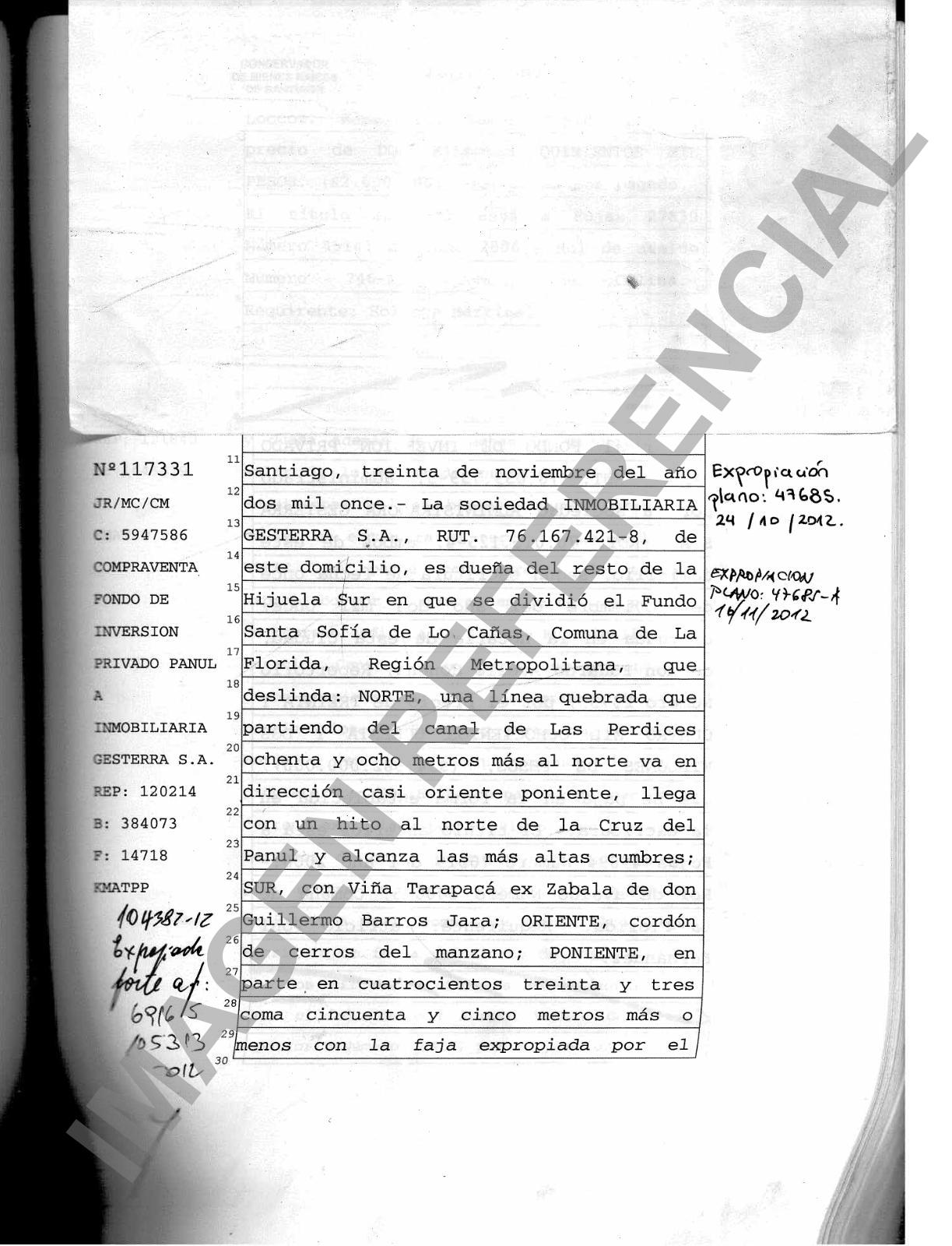
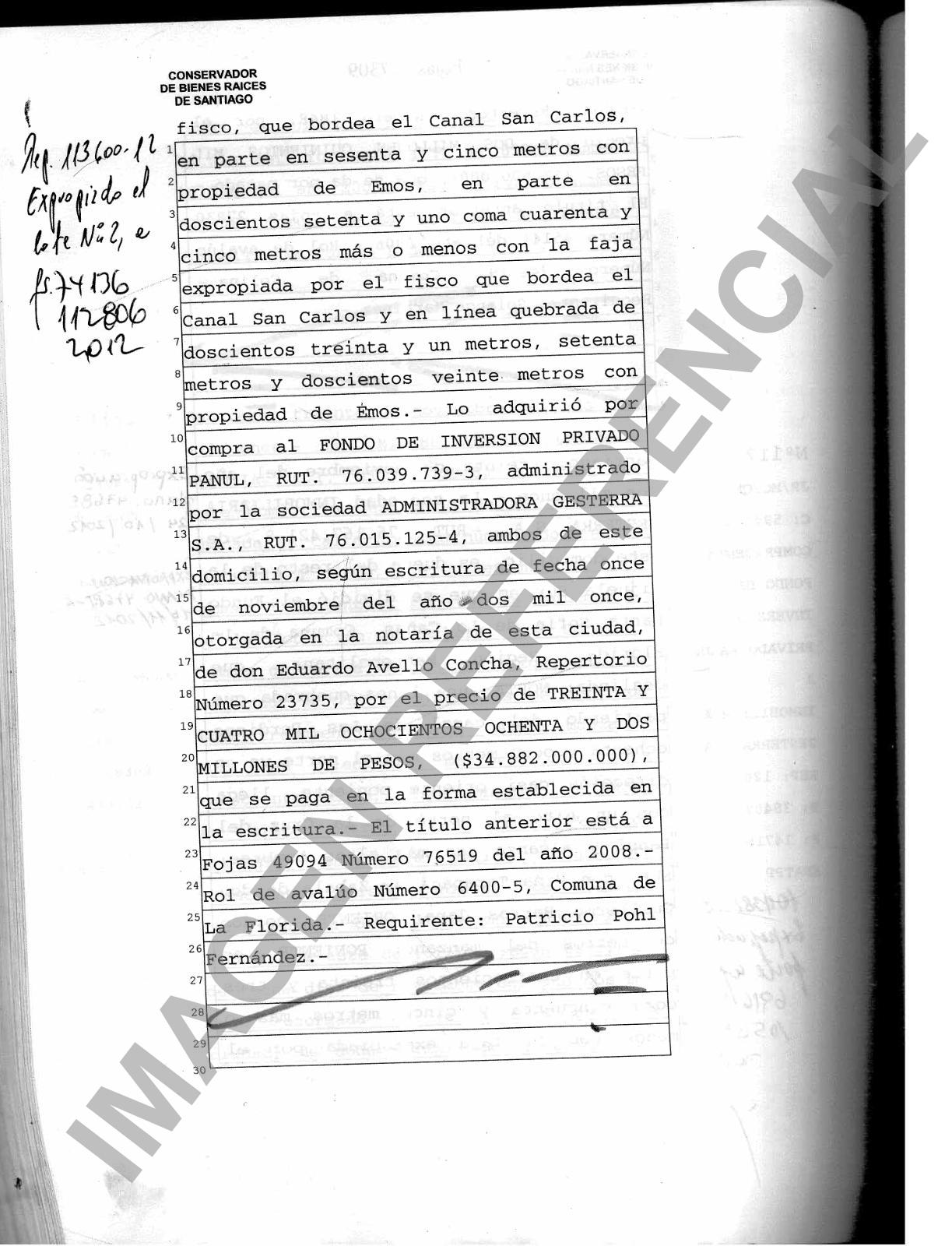
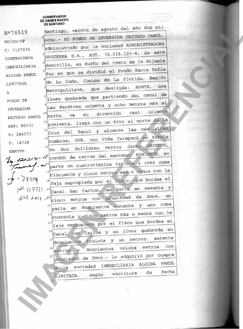
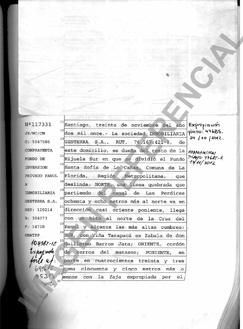
The most audacious simulated sale came three years later, on November 30, 2011, two months before the project was rejected by the Environmental Assessment System due to strong objections from citizens and some public bodies, as recorded in the proceedings. On this occasion, the "Fondo de Inversión Privado Panul" (controlled by Administradora Gesterra S.A.) sold the land for 34.882 billion pesos to the company "Inmobiliaria Gesterra S.A." What is inexplicable about these price increases is that they were not simple monetary adjustments — they multiplied the value of the property several times over, without any change in urban regulations or land values.
To give an idea: it would be as if someone had a house worth 50 million pesos, and three years later sold it for 950 million, with no change to the zoning plan or anything else that could have benefited them to such an extreme degree. That is, if those sales were real, someone was seriously harmed, and someone else enriched themselves without apparent cause. This form of enrichment is a crime, and is punishable under our legal system.
Deed of Fundo Panul 2011
Finally, the Navarrete Rolando family has publicly acknowledged — in numerous interviews — that it owns Fundo El Panul and intends to build on it.
Bogus valuations at the Ministry of National Assets
According to the cited information, the Santiago Intendancy ordered the Ministry of National Assets to carry out a valuation of Fundo El Panul, which it appraised at 40 billion pesos. Analyzing the evidence presented above, if the State were to pay this amount it would not only be "unjust," but would also commit the crime of unjustly enriching a family or company.
On the other hand, if the State were to create a green area or park, it would further lower the value of the property, since when the State expropriates it must pay for the current conditions of the site, not the prior conditions that permitted urbanization. This urban policy is adopted in countries such as the United States and Spain.
The valuation carried out by the Ministry of National Assets used sale deeds that do not reflect reality, without investigating their obscure origins and the illicit maneuvers they concealed. This is why an updated appraisal is urgently needed.
Furthermore, the State's power of expropriation is so important that only through it could a public park be created in Fundo El Panul. As urban planning expert José Fernández Richard notes, "in Urban Law, one of whose essential aspects is city planning, there are several cases in which the relevant authorities are authorized to expropriate for reasons of public utility, whether to create green areas or streets." (Derecho Urbanístico Chileno, 2010)
Bachelet and the golden opportunity to protect all of Bosque Panul
At this moment the Bachelet administration is working on a new amendment to the Santiago Metropolitan Zoning Plan (PRMS) for the precordillera area of the city. This amendment has been carried out with unprecedented secrecy, and has yet to include a citizen participation process. Regardless, with the new evidence, the State can carry out a legally sound appraisal, which could be reduced even further through a green area declaration. For this to happen, it is necessary that the new PRMS incorporate the ENTIRE Bosque Panul as a green area or park, which is perfectly feasible since both Fundo El Panul and Santiago's precordillera are protected under the legal framework through Supreme Decrees 82 and 327 of the Ministry of Agriculture (1974), a zone known as "Santiago Andino" — a requirement for creating a park.
The Municipality of La Florida also has the power to expropriate the forest, but has systematically refused to do so.
On the other hand, it falls to members of parliament — especially the local members of Congress — to investigate these serious matters, seek their prosecution, and formally request information from the Intendancy about the future of Bosque Panul, providing evidence to achieve its official protection.
The pact of silence begins to speak
We were told we had achieved democracy, but we realize the dictatorship has not yet ended. For it to end, first, we Chileans deserve to know the whole truth. Regarding the painful cases of deaths, torture, and disappearances, but also regarding the looting of our common goods and the origins of fortunes in this country. If it is demonstrated with compelling evidence (as in this case) that many acquisitions are clearly questionable, the State cannot continue enriching these individuals or families, as this means perpetuating the cruel legacy of the dictatorship that so deeply wrongs us.
At a moment when the pact of silence is beginning to break, and cases of collusion and corruption fill the news, it is necessary to know the truth about the origins of these great fortunes, and how we restore the justice that has been broken. A green lung of Santiago is at stake. It is a pending debt that cannot wait any longer.
Red por la Defensa de la Precordillera February 2016
The content expressed in this article is the responsibility of its original authors and does not necessarily represent the views associated with the Panul Para Todos project.
The information archived in Archivo Panul was collected using automated tools, so there may be inconsistencies between what is presented here and the original link. You can visit the original link at the top of this article.