BOSQUE PANUL IS STILL IN DANGER
Many who heard about the fight taking place in La Florida to protect Bosque Panul were glad and relieved when, in January of this year, the Environmental Assessment Service (SEA) terminated the environmental assessment process that was meant to determine the feasibility of a real estate project that threatened to fell this natural heritage to build 1,307 housing units.
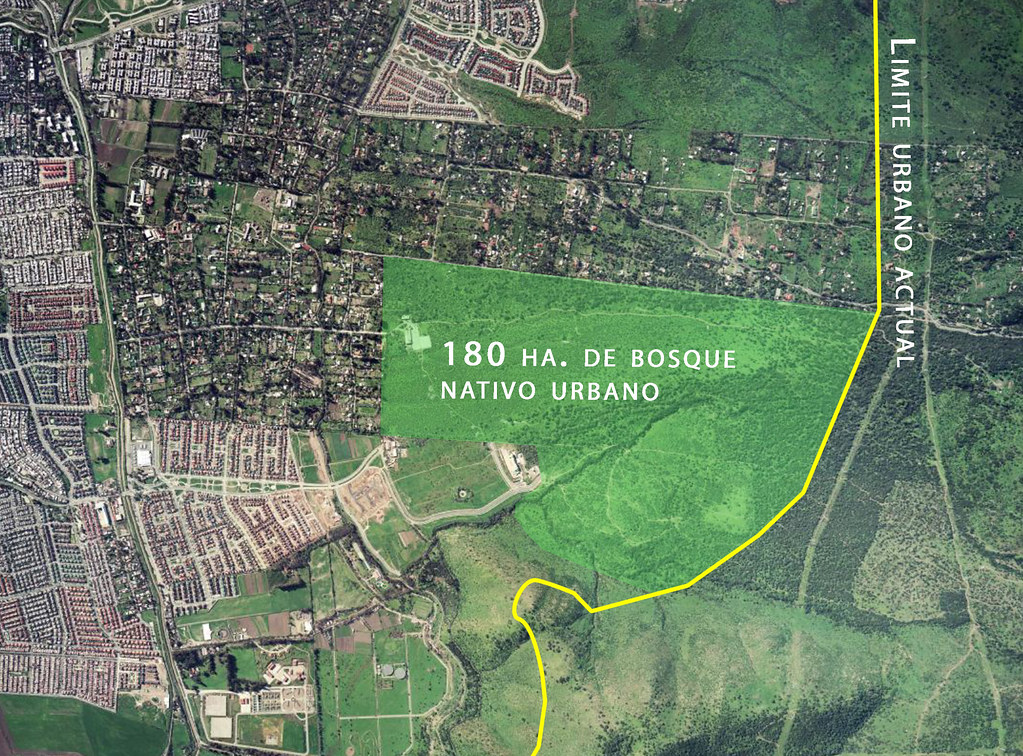
Many who heard about the fight taking place in La Florida to protect Bosque Panul were glad and relieved when, in January of this year, the Environmental Assessment Service (SEA) terminated the environmental assessment process that was meant to determine the feasibility of a real estate project that threatened to fell this natural heritage to build 1,307 housing units. While it is true that this project has been shelved — largely thanks to the work of citizens — today the process of amending the Municipal Zoning Plan that would allow the definitive protection of the forest and make it possible to convert it into a public park is in a more than troubling state, given the agreements established by the Municipality with the SEREMI of Housing and Urban Development without adequately considering citizens' demands.
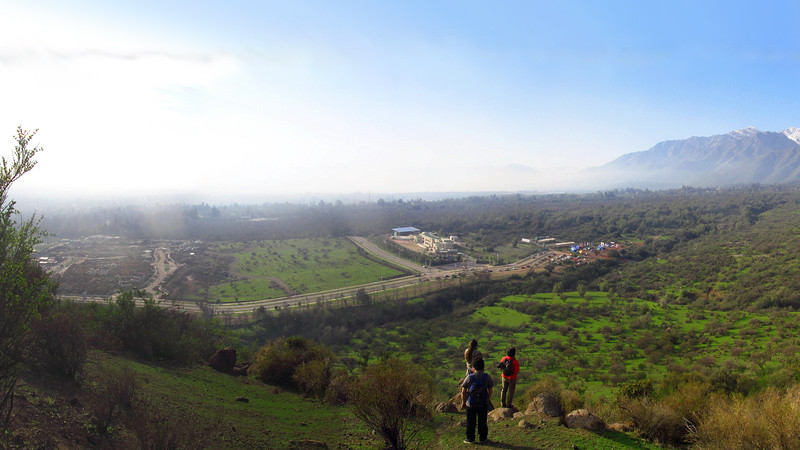
Following the suspension of the project due to the SEA's ruling (which responded almost word for word to citizens' observations), while it did not represent any regulatory progress, the outlook was considerably more encouraging than in 2011, when the preliminary project was approved by the Municipality's Directorate of Works and the real estate company sought to obtain final approval with a cursory environmental impact declaration. It seemed that Chile's nascent environmental institutions were gaining strength and authorities were coming to understand that the precordillera should not be urbanized — not only because the native forest plays a fundamental role in the city's ecosystem balance, but also because building houses and paving the soil continues to expose the population to risks associated with landslides and mass removal that could cause, beyond the destruction of homes, the loss of human lives.
An example of this is what occurred in 1993 in the Quebrada de Macul, an event that could repeat at any moment, potentially with even greater magnitude, given the existence of the Falla de Ramón — a latent danger that some authorities attempt to downplay.
Today, 6 months after the project was halted and after the citizen consultation hastily organized by the Municipality — in which 22,000 La Florida residents supported changing the Municipal Zoning Plan (PRC) to save the forest — far from achieving the regulatory change the mayor had promised for this date, the amendment process is being left under the control of the SEREMI of Housing and Urban Development, which has openly favored real estate development in this area and pressured local authorities to approve the preliminary project in 2011 — thereby validating the documentation submitted by the company, which claimed there were no risks whatsoever at the site.
The regulatory amendment citizens demand requires a technical document known as a Risk Study. The Municipal Council had approved funds for its preparation in this year's budget. However, in what appears to be an unnecessary and questionable move, the mayor requested that the SEREMI include the area of interest in a broader study being conducted at the national level for the Metropolitan Region.
This is, first of all, technically misguided, as the working scales are very different and the conditions under which that study was tendered do not apply to the study La Florida needs.
Furthermore, with this action the SEREMI has taken control of the funding, tendering, awarding, and supervision of the study, leaving the Municipality as a mere observer. Even more serious than the above is that the Municipality accepted the study area boundaries imposed by the SEREMI, which reduce the protection zone agreed upon by residents and authorities — leaving out the strip between the San Carlos and Las Perdices canals, precisely the territory that bore the brunt of the 1993 landslide.
The approval of this agreement took place on June 28, in an extraordinary Municipal Council session convened with just two hours' notice — a session which Red por la Defensa de la Precordillera fortunately managed to attend as the civic counterpart that the mayor has repeatedly ignored.
In short, Bosque Panul and the precordillera remain in danger — perhaps not as imminently as last year, but if the Zoning Plan amendment process continues on its current course, there may not be many tools left to prevent another real estate project from ultimately destroying the last native forest remaining within the urban boundary. Red por la Defensa de la Precordillera continues working to save it and to make it an Urban Nature Reserve for Santiago.
The content expressed in this article is the responsibility of its original authors and does not necessarily represent the views associated with the Panul Para Todos project.
The information archived in Archivo Panul was collected using automated tools, so there may be inconsistencies between what is presented here and the original link. You can visit the original link at the top of this article.